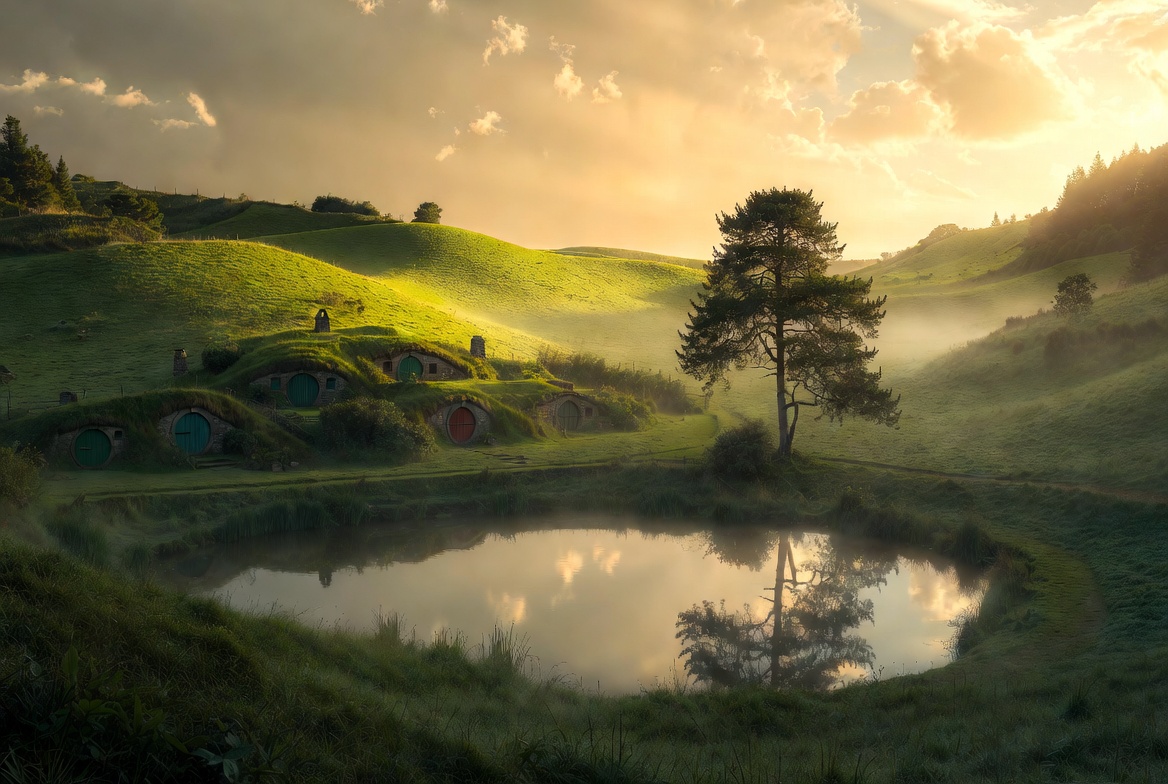
How a sheep farm in Matamata became the Shire.
Six trilogies. Forty-four hobbit holes. One real piece of Middle-earth, hidden in the green hills of New Zealand. This is the story of the place — not the tour.
The set that refused to disappear.
Most movie sets are built to be torn down. Plywood, paint, a season of weather, and they’re gone. The Shire was different. After the cameras left in 2000, half of it stayed standing — too beautiful to bulldoze, too remote to bother. A decade later, the same ground was rebuilt to last forever. What you can walk through today is one of the only film sets on Earth that became real.
This site is a chapter-by-chapter account of how that happened: the farm before the films, the helicopter that found it, the army battalion that built the road, and the quiet decision to keep it.
From paddock to permanent set.
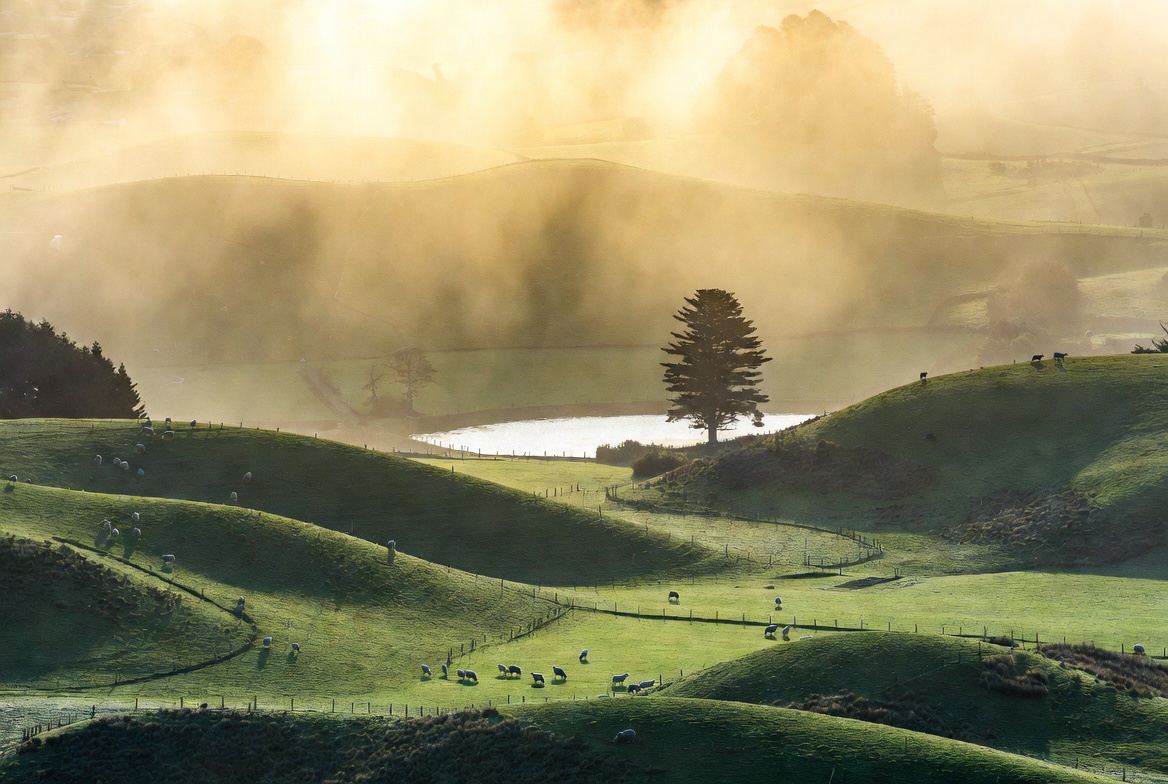
The Farm Before the Films
1,250 acres of sheep country, owned by the Alexander family since 1978. No cameras. No tourists. Just hills.
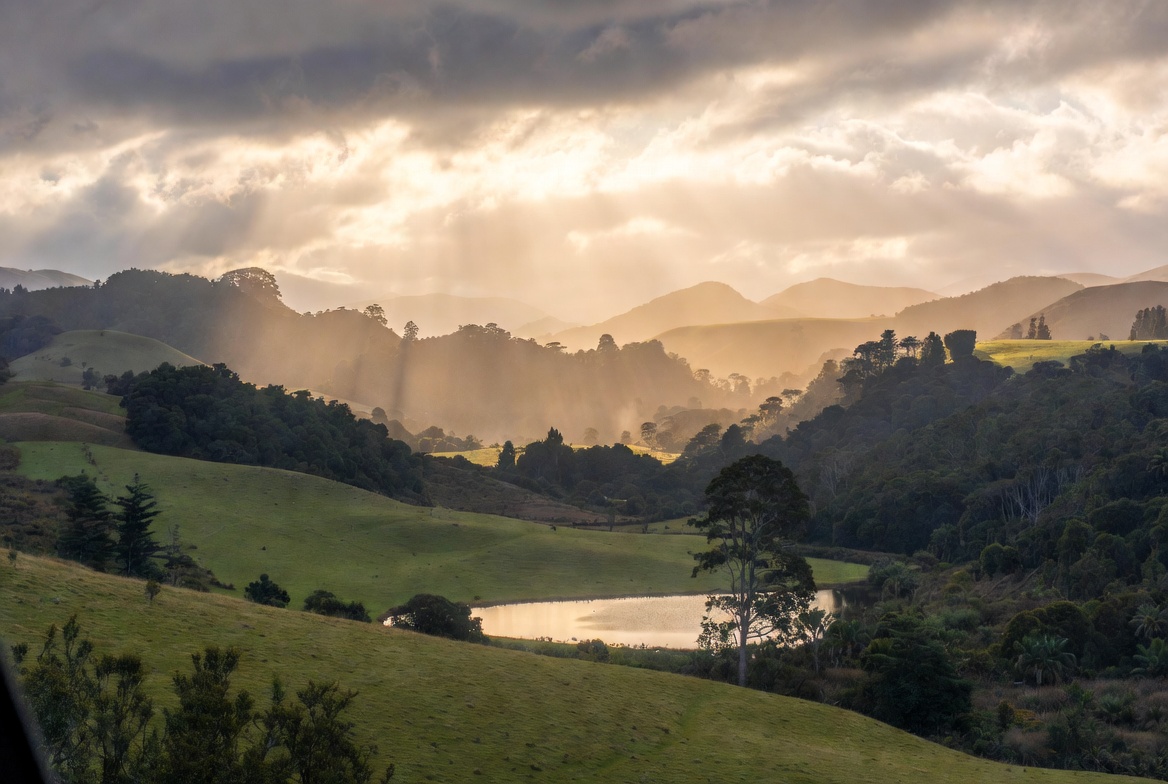
Found from the Air
A helicopter, a director with a problem, and a single tree above a pond. The scouting flight that changed Matamata.
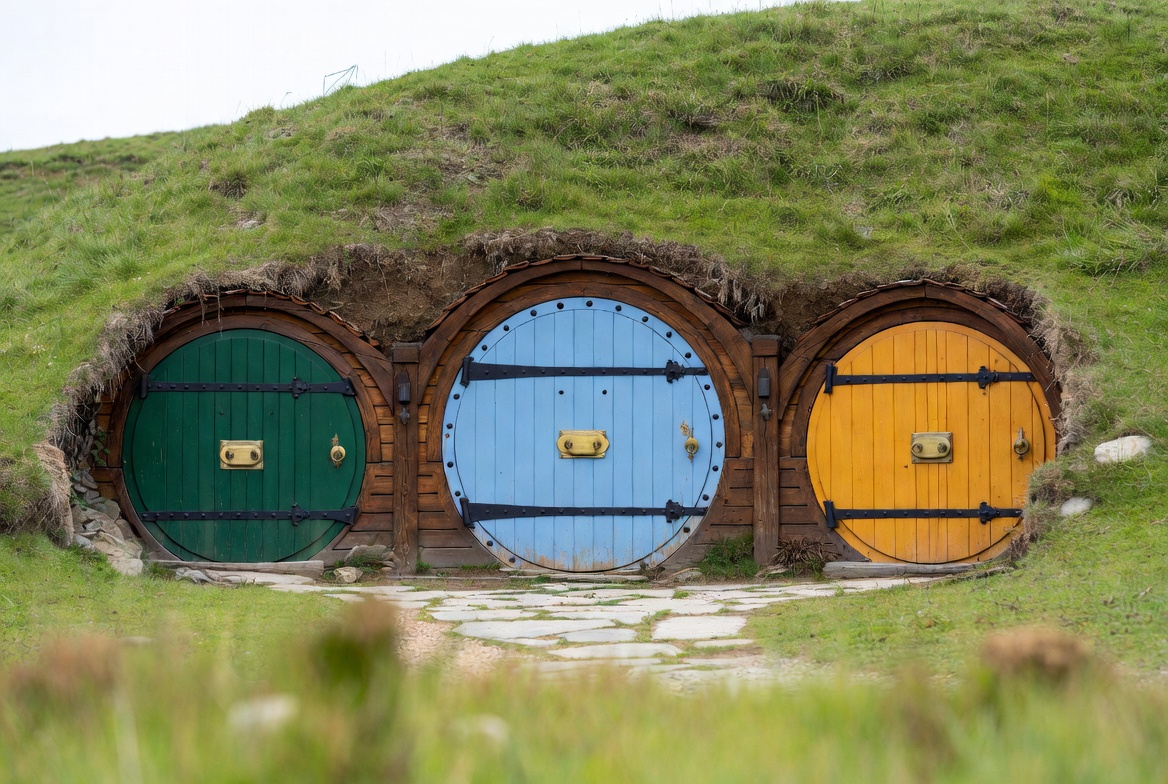
Built by the Army
The New Zealand Army cut 1.5 km of access road. Hedges and gardens were planted a year early to look lived-in.
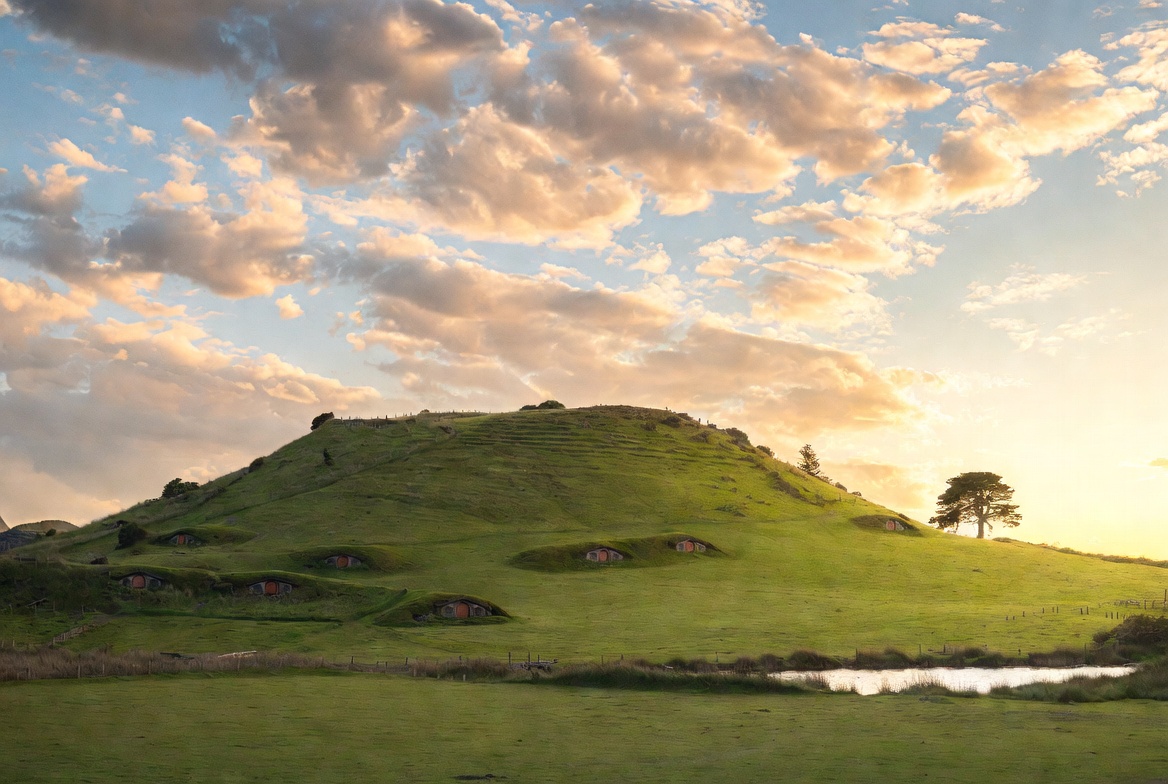
Three Months of Filming
Late 1999. Thirty-nine hobbit holes, a Party Tree, and a few weeks of New Zealand summer.
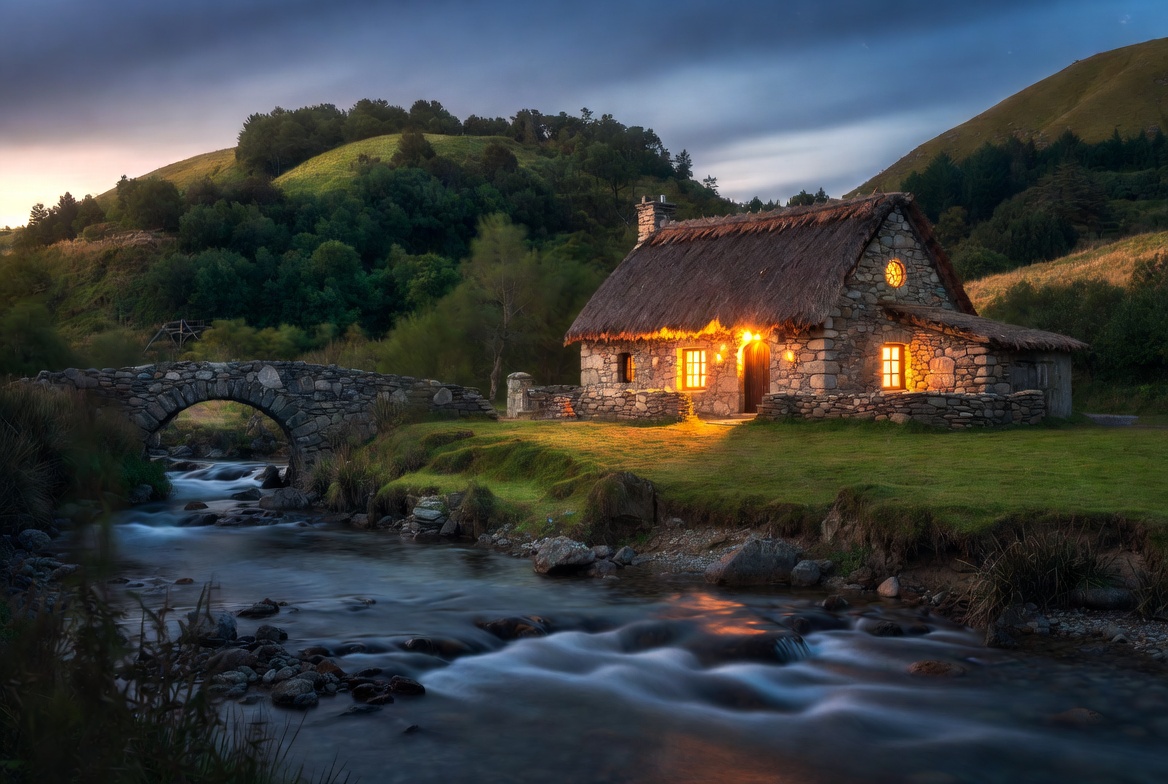
The Set That Came Back
2009. The crew returns for The Hobbit and rebuilds Bag End in permanent materials. This time, it stays.
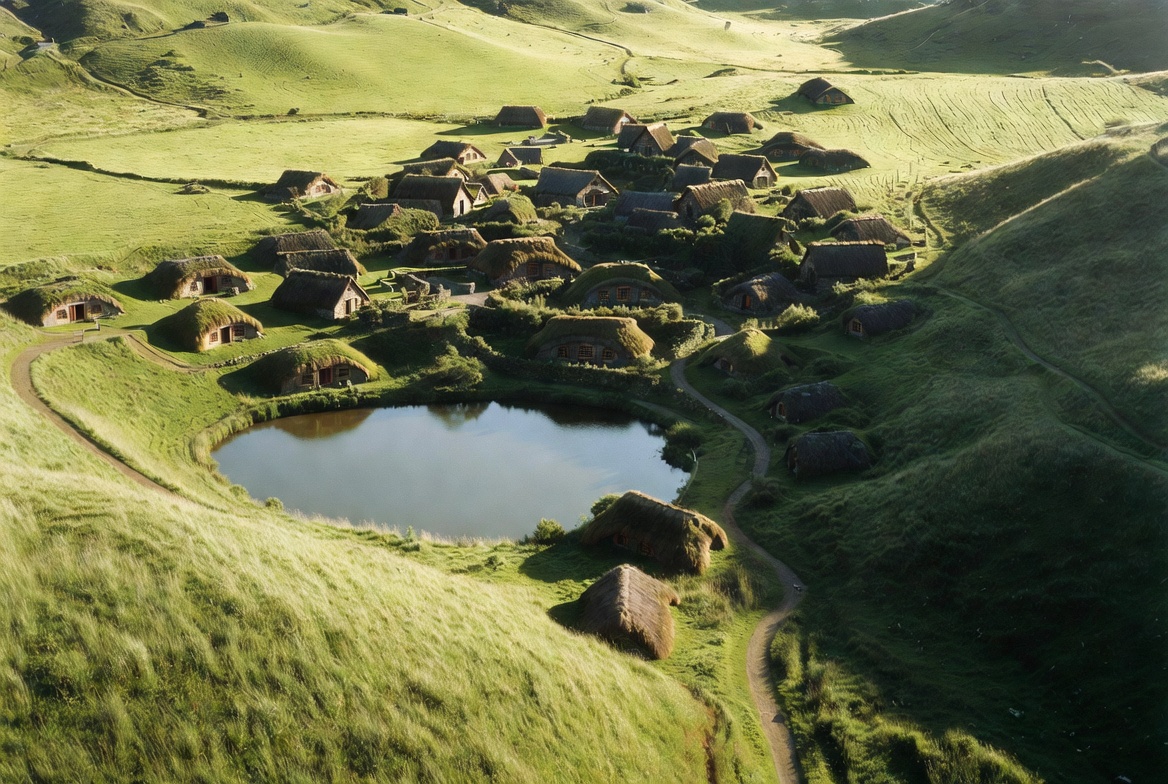
What’s on the Ground
Bag End, the Green Dragon, the Mill, the Party Tree. Every fixed point on the 12-acre map.
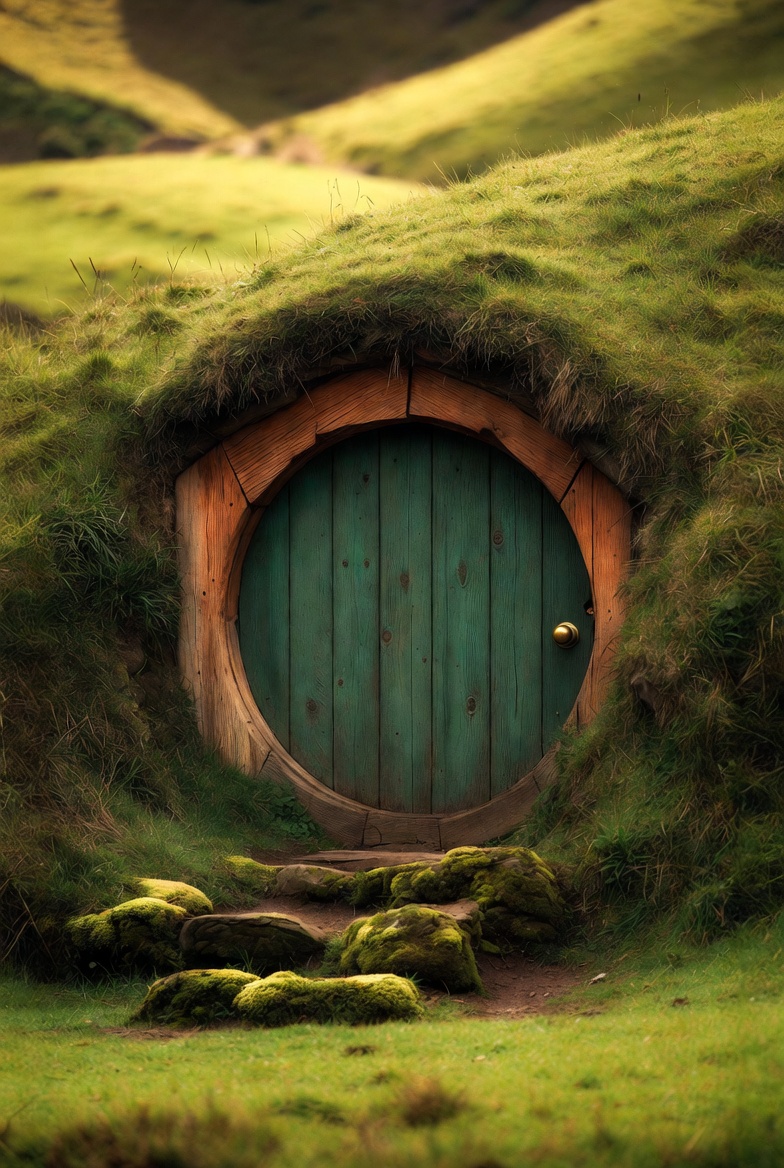
The Place in Pictures
A visual walk through the village, from round doors to the long lake.
The set in numbers.
- Farm size
- 1,250 acres
- Movie set
- 12 acres
- Hobbit holes
- 44
- Year scouted
- 1998
- First filmed
- 1999
- Rebuilt
- 2009–11